In the bustling world of cafes, bakeries, and even home kitchens, keeping track of ingredients, supplies, and stock levels can feel like an endless game of hide-and-seek. From specialty coffee beans and artisanal syrups to fresh milk and perishable pastries, managing inventory effectively is not just about knowing what you have; it’s about optimizing your operations, minimizing waste, and ultimately, boosting profitability. Whether you’re a seasoned cafe owner looking to fine-tune your backend processes, a passionate home baker wanting to avoid last-minute grocery runs, or a small business manager striving for operational excellence, a well-structured inventory system is your secret weapon.
This comprehensive guide is designed to introduce you to the power of a dedicated inventory list template. Far more than just a simple checklist, this tool transforms chaotic stock management into a streamlined, predictable, and remarkably efficient process. It’s for anyone who understands that meticulous organization in the present translates to significant time, money, and stress savings in the future. By embracing a robust framework for tracking your consumables and supplies, you’ll gain clarity, enhance decision-making, and ensure your operations run as smoothly as a perfectly frothed latte.
The Power of Order: Why Structured Lists Matter
At the heart of any successful operation, large or small, lies an invisible scaffold of organization. Structured lists and templates are the unsung heroes of productivity, turning complex tasks into manageable steps. When it comes to inventory, relying on memory or haphazard notes is a recipe for disaster, leading to forgotten items, overstocking, understocking, and ultimately, financial losses. A structured list, however, provides a clear, consistent framework for capturing all necessary information.
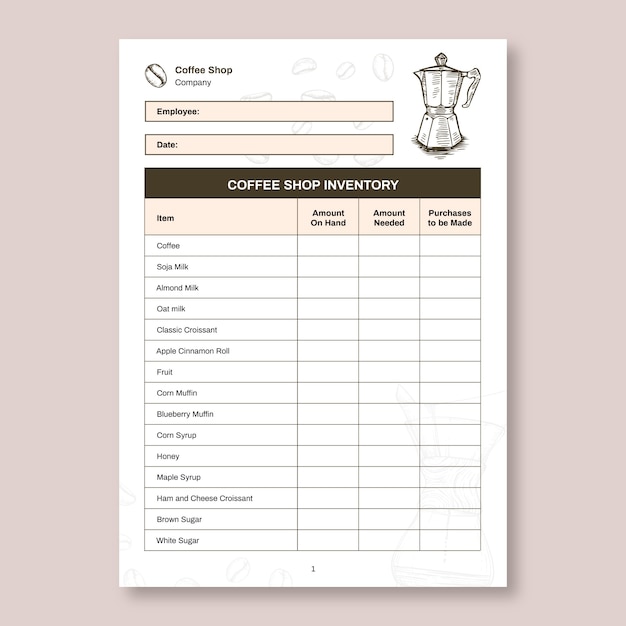
Implementing a dedicated inventory sheet eliminates guesswork and introduces a systematic approach to stock control. It forces you to categorize, quantify, and document every item, creating a real-time snapshot of your assets. This level of detail isn’t just about accountability; it’s about creating a historical record that informs future purchasing decisions, identifies potential areas of waste, and empowers you to negotiate better with suppliers. The discipline of regular inventory checks, guided by a robust document, builds a foundation of efficiency that permeates every aspect of your business or household management.
Streamlining Operations: The Perks of a Dedicated Checklist
Embracing a specialized inventory checklist offers a multitude of advantages that extend far beyond simply knowing what you have in stock. One of the most significant benefits is unparalleled clarity. Every item, from your most expensive imported tea to your simplest sugar packets, is accounted for, eliminating ambiguity and ensuring everyone on your team operates from the same accurate information. This clarity drastically reduces errors, especially during busy periods or when new staff members are on board.
Another major perk is the substantial time-saving it offers. Instead of manually searching through shelves or relying on a mental tally, a well-organized template allows for quick, systematic counts. This efficiency frees up valuable time for more critical tasks, whether that’s experimenting with new menu items or focusing on customer engagement. Moreover, a consistent tracking tool ensures uniformity in how inventory is recorded, regardless of who is performing the count, thereby improving data reliability and making trend analysis far more straightforward. This consistency is vital for maintaining high operational standards and making informed, data-driven decisions that propel your business forward.
Beyond the Brew: Tailoring Your Tracking Tool for Any Scenario
While the term "cafe inventory list template" might suggest a very specific application, the underlying principles and structure of this kind of document are remarkably versatile. Its power lies in its adaptability, making it an invaluable asset not just for bustling coffee shops but for a wide array of personal, household, and business uses. The core concept remains the same: a systematic way to track what you have, what you need, and what’s moving in and out.
Consider the home front: a similar template can transform your pantry into a model of efficiency. No more expired spices or forgotten ingredients lurking in the back of the cupboard. For avid crafters, it can track yarns, fabrics, or art supplies, ensuring you always have what you need for your next project. Small retail businesses, from boutiques to bookstores, can adapt the framework to manage product stock, while event planners can use it to keep tabs on decor, catering supplies, and rented equipment. The key is to customize the categories and fields to match the specific items and tracking needs of your unique environment, proving that the principles of robust inventory management are universal.
Anatomy of an Effective Tracker: Key Sections to Include
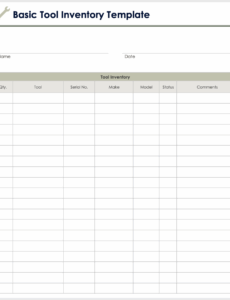
To truly elevate your inventory management, your template needs to be comprehensive yet intuitive. The goal is to capture all essential information without becoming overly cumbersome. Here are the core components every effective inventory guide should incorporate, structured for clarity and ease of use:
- Item Name/Description: A clear, concise name for each item. Be specific (e.g., "Espresso Beans – House Blend," "Milk – Whole – Organic").
- SKU/Product Code (Optional but Recommended): A unique identifier for each item, especially useful for businesses with many products or digital tracking systems.
- Unit of Measure: How the item is typically counted or purchased (e.g., kg, bag, liter, case, count, each). Consistency here is crucial.
- Quantity On Hand: The current physical count of the item. This is the heart of your inventory.
- Reorder Level/Minimum Stock: The threshold at which you should place a new order to avoid running out. This is a critical indicator for proactive purchasing.
- Quantity to Order: The amount you typically order when stock hits the reorder level.
- Supplier Information: Name of the supplier, contact details, or preferred vendor code. Useful for quick reordering.
- Unit Cost: The cost per unit of the item. Essential for calculating total inventory value and profit margins.
- Date Last Inventoried: The date of the most recent count. Helps track inventory frequency and identify discrepancies.
- Expiration Date (for perishables): Crucial for food and other time-sensitive items to minimize waste and ensure freshness.
- Location: Where the item is stored (e.g., "Back Storeroom Shelf 3," "Fridge A," "Pantry Top Left"). Helps locate items quickly.
- Notes/Comments: Any additional relevant information, such as quality issues, special ordering instructions, or seasonal usage patterns.
Structuring your inventory list template with these sections ensures that you have a holistic view of your stock, enabling smarter purchasing, better waste management, and improved financial control.
Optimizing Your Tool: Tips for Design and Usability
Creating a powerful inventory list template isn’t just about the data it contains; it’s also about how that information is presented and interacted with. A well-designed template enhances readability, reduces errors, and encourages consistent usage. Whether you’re working with a printable sheet or a digital spreadsheet, these design and usability tips can make a significant difference.
Firstly, prioritize clear and consistent formatting. Use distinct headings and subheadings, and maintain uniform font sizes and styles. If using a spreadsheet, freeze the header row so it’s always visible as you scroll. Color-coding can be incredibly effective for differentiating categories or highlighting urgent items, such as those below reorder level or nearing expiration. For example, a red background for "reorder now" items can provide an immediate visual cue.
Consider the layout for both print and digital formats. If it’s a printable document, ensure ample space for manual entries and that it fits standard paper sizes without excessive shrinking or cutting off information. For digital versions, leverage features like dropdown menus for common entries (e.g., units of measure, suppliers), conditional formatting for alerts, and simple formulas for automatic calculations (e.g., total cost of current stock). Finally, implement version control if multiple people are updating the list, especially in digital environments, to prevent data loss and ensure everyone is working with the most current information. Regularly review and update your template to adapt to changing needs, ensuring it remains a dynamic and effective tool for your ongoing success.
In the fast-paced environment of a cafe or any operation that relies on precise stock management, a well-executed cafe inventory list template is far more than a simple organizational document. It’s a strategic asset that underpins efficiency, reduces operational friction, and provides invaluable insights into your resource flow. By embracing a structured, adaptable, and user-friendly inventory system, you empower yourself and your team to make informed decisions, minimize costly mistakes, and unlock greater productivity.
The benefits ripple throughout your entire operation, from ensuring popular items are always in stock to streamlining your ordering process and ultimately, enhancing your bottom line. Investing time in setting up and consistently utilizing a robust inventory framework is an investment in stability, growth, and the peace of mind that comes from knowing exactly what you have, where it is, and what you need. Start leveraging this powerful tool today and transform your inventory management from a daunting chore into a seamless, controlled aspect of your daily routine.